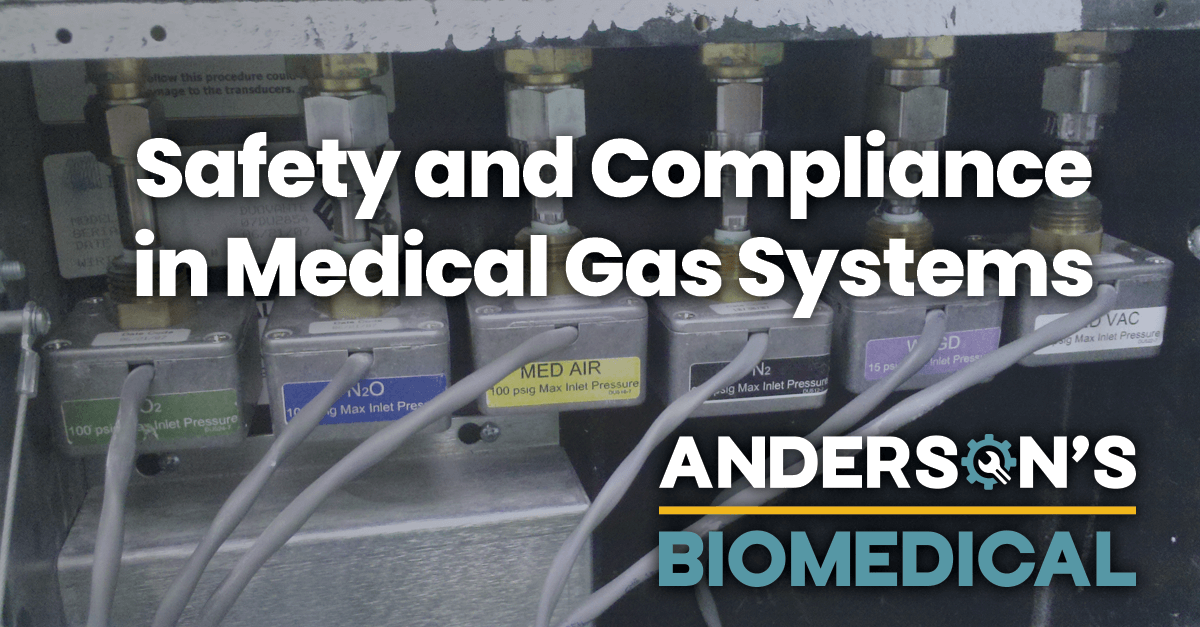
Safety and Compliance in Medical Gas Systems
Safety is paramount in healthcare, and medical gas systems are no exception. Compliance with regulatory standards like NFPA 99 isn’t just a requirement—it’s a necessity for protecting patients and staff.
Key Safety Considerations
- High-Quality Materials: We use Type K and L copper for pipelines, known for their durability and resistance to corrosion.
- Emergency Shut-Off Valves: Strategically placed to allow rapid isolation of leaks or fires.
- Centralized Monitoring Systems: Integrates alarms that provide visual and audible alerts for system irregularities.
The Importance of Third-Party Verification
Certified inspectors ensure that systems meet all safety and operational requirements. These inspections cover:
- Leak detection.
- Pressure testing.
- Proper labeling and documentation.
Real-World Risks of Non-Compliance
Imagine a scenario where an improperly installed vacuum line fails during surgery. The delay caused by addressing this failure could compromise patient outcomes. Anderson’s Biomedical ensures that such scenarios are avoided through meticulous planning and testing.
Conclusion
Safety and compliance are the foundations of reliable medical gas systems. Partner with Anderson’s Biomedical for peace of mind and operational excellence.