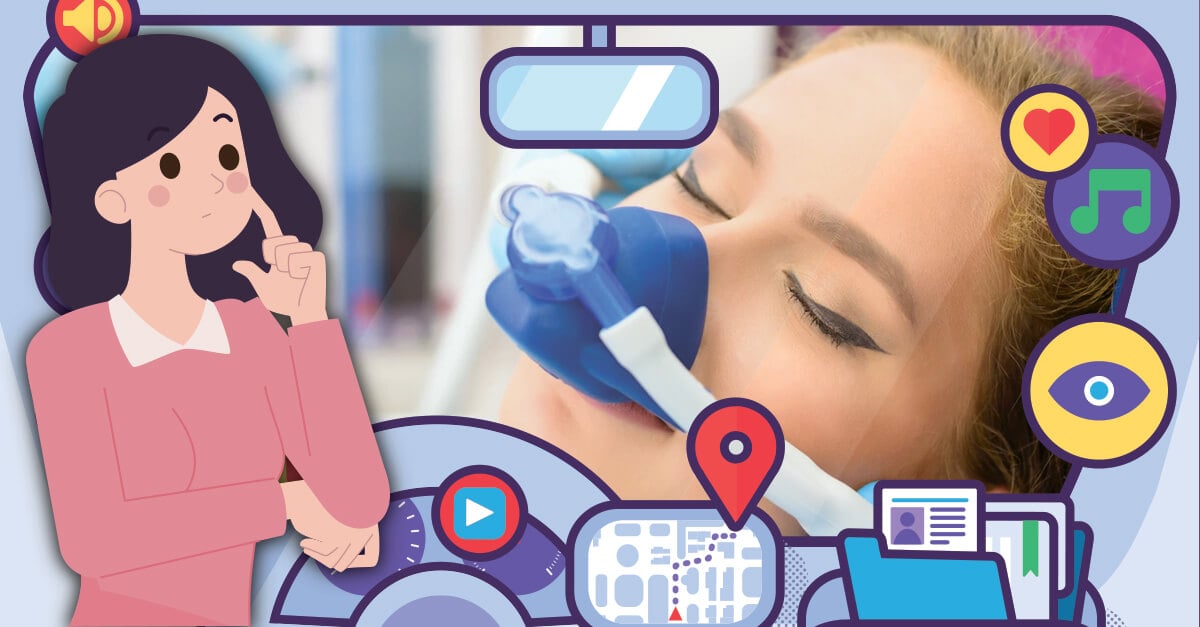
Can I Drive After Receiving Dental Gas? What You Need to Know
For many patients, dental procedures can be stressful. Dentists often use dental gas, such as nitrous oxide (laughing gas), to help patients relax. While this can ease the anxiety associated with dental work, a common question that follows is: Can you drive yourself home after receiving dental gas?
What Is Dental Gas, and How Does It Work?
Nitrous oxide is a mild sedative often administered through a mask over the nose, causing a sense of calm or light euphoria. While dental gas doesn’t typically render a person unconscious, it does affect the central nervous system by slowing down reaction times and reflexes. This calming effect is what makes it so effective during certain procedures, allowing patients to remain conscious, responsive, and pain-free.
Why Driving After Dental Gas May Not Be Safe
Although nitrous oxide has a short half-life, meaning it exits the system relatively quickly, its immediate effects can still impair your ability to drive. The sedation can:
- Slow Reaction Times: Even after the sedative effects seem to wear off, reflexes may still be slightly delayed, impacting safe driving.
- Affect Judgement and Focus: The gas can cloud judgment temporarily, reducing attentiveness to road conditions and surrounding vehicles.
- Cause Mild Drowsiness or Disorientation: Some patients report feeling lightheaded or sleepy after using nitrous oxide, which can be risky if you’re behind the wheel.
How Long Do the Effects Last?
Most patients feel back to normal within 15 to 30 minutes after the gas is turned off, as dentists typically administer oxygen to help flush the nitrous oxide from the system. However, recovery times can vary, with some patients needing a bit longer to shake off the effects completely.
When Is It Safe to Drive?
If you’ve received only a small amount of nitrous oxide and feel fully alert, your dentist may allow you to drive home after a short observation period. However, in cases where nitrous oxide was used for an extended period or in combination with other sedatives, a friend or family member should drive you home. When in doubt, ask your dental provider for advice tailored to your specific situation.
The Importance of Reliable Dental Equipment
For dental practices, ensuring patient safety during procedures involving dental gas is critical—and that starts with properly maintained equipment. That’s where Anderson’s Biomedical comes in. Here’s how we can benefit your practice:
- Regular Maintenance and Calibration: We ensure your nitrous oxide delivery systems are operating at peak performance. This not only protects your patients but also ensures compliance with safety regulations, giving you peace of mind during every procedure.
- Quick, Reliable Service: Our team is ready to assist with any repair or adjustment needs, minimizing downtime so you can continue providing uninterrupted care to your patients.
- Expertise in Medical Gas Systems: With years of experience, Anderson’s Biomedical offers specialized knowledge in maintaining dental gas systems, from installation to ongoing support. This expertise helps dental practices avoid costly breakdowns and maintain a safe environment for both patients and staff.
Partnering with Anderson’s Biomedical: A Smart Choice for Dental Practices
By choosing Anderson’s Biomedical for your dental gas systems, you’re investing in a partner who prioritizes the safety and reliability of your equipment. Our services not only help you maintain a high standard of care for your patients but also streamline the maintenance process, allowing you to focus on what matters most—delivering excellent dental care.
Need Help with Dental Equipment?
At Anderson’s Biomedical, we understand the importance of reliable, safe equipment. From dental gas systems to surgical lights, our team of experts provides maintenance and calibration to ensure safe, effective operation. Reach out to us with any questions or to schedule service for your clinic’s equipment.
Important Disclaimer:
This article is for informational purposes only and is not a substitute for professional medical advice, diagnosis, or treatment. Always seek the advice of your dentist or other qualified health provider with any questions you may have regarding medical or dental procedures. Anderson’s Biomedical provides equipment services but does not offer medical or health advice.